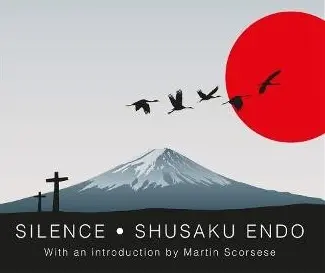
Silence by Shusaku Endo, translated by William Johnston (Pan Macmillan)
by Paul Matheson
The London Jesuit Centre runs a book club that meets online monthly. The book discussed in April was Shusaku Endo’s historical/theological novel Silence, published in 1967. I’d seen Martin Scorsese’s film adaptation, which I found grim and depressing, but I had never read the acclaimed novel that is the source of the film, until the book club prompted me to read it. I’m so glad they did, because the novel has a spiritual depth and strength of religious affirmation that (for me) the film adaptation lacked.
It is 1640. Sebastian Rodrigues, a Portuguese Jesuit priest, sets sail for Japan on a mission to help the oppressed Christians there. But as Fr Rodrigues’ journey takes him deeper into Japan and then into the hands of those who would crush his faith, he finds himself confronted with a terrible dilemma: to abandon his flock or his God.
The novel charts the emotional and spiritual transformation of Rodrigues. He starts out as an idealistic, educated, privileged young man formed by the splendour and beauty of the Roman Catholic Church in Iberia’s Century of Gold. He heads from Lisbon to Macau and thence to Japan with his head full of romanticised tales of the Catholic martyrs and the glories of the great missionaries like Francis Xavier. Rodrigues’s lofty intentions encounter the squalor and the terror of the lives of Japanese Christian peasants living under the relentless surveillance and brutal persecution of a ruthless state apparatus engaged in the eradication of Roman Catholicism from Japan.
Login or subscribe below to continue reading this article
Paul Matheson is a music reviewer and diversity officer with the police.