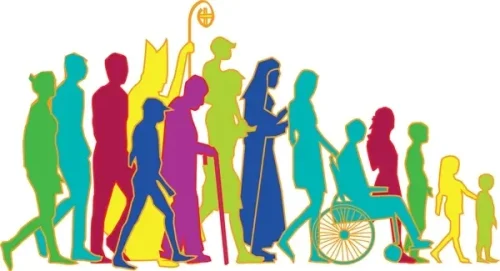
What is the spirit saying to the churches?
TOM MAGILL shares a theological reflection on the diocesan phase of the synodal process in Scotland.
The diocesan phase of the synodal process was a theological moment in the life of the Church in two ways.
Firstly, it created a context in which all the baptised could reflect on their life together as Church and how it could be renewed and lived out in the contemporary world. As communities of faith seeking understanding (Anslem’s fides quaerens intellectum), the People of God were ‘doing theology’ even if in an inchoate and unthematic way. Secondly, the participants shared and experienced the life of the Trinity in a specific, embodied, and historical way throughout the process. The great themes of the synod echo the Church’s early trinitarian discussions – communion (koinonia), participation (perichoresis), and mission (hypostasis).1
The purpose of this essay is to reflect on and develop some of the important theological contributions made in this process while all the time holding to this sensus fidelium of the People of God as something rooted in the very mystery of God. Chapter 2 of the Second Vatican Council’s Dogmatic Constitution on the Church, Lumen Gentium, which is entitled ‘The People of God’, will be viewed as the key for the understanding of synodality.
Login or subscribe below to continue reading this article
Dr Tom Magill is parish priest of St Athanasius, Carluke, and is Vicar Episcopal for Mission & Evangelisation in the Diocese of Motherwell.