Four years that changed the church
Editorial Comment
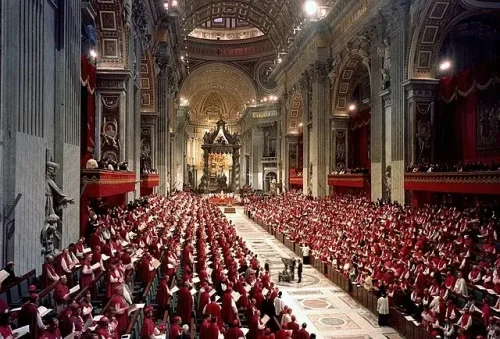
The Second Vatican Council began 60 years ago in October 1962. It brought to an end the ‘long nineteenth century’ which had begun with the French Revolution in 1789 and ended with the announcement of the Council by Pope John XXIII in 1959. The Church’s response to the political and industrial upheavals of the nineteenth century had been to withdraw from what it saw as an apostate world. It retreated into a religious counterculture which stressed dogmas that set it apart from modernity, encouraged devotions that would reinforce them and promoted associations which aimed to develop a sense of identity among Catholics and mobilise them to work for the restoration of the world to Christ. It also promoted uniformity and centralised authority in Rome. There was a standardised Roman liturgy, Roman devotions like the Forty Hours, expansion of Roman colleges for foreign seminarians, and increased use of Roman clerical titles like monsignor. The high point of this model of church was the definition of papal primacy and infallibility at the First Vatican Council in 1870.
Login or subscribe below to continue reading this article